


In today’s fast-paced world, time is often in short supply. Whether you’re a busy professional, a parent juggling multiple responsibilities, or simply trying to fit a workout into an already packed schedule, making the most of your time is essential. While workouts are crucial for maintaining a healthy lifestyle, pre-workout nutrition can often become an afterthought. However, neglecting this vital aspect can hinder your performance, delay recovery, and lead to fatigue during workouts.
The key to balancing a busy life with optimal workout performance lies in understanding how to streamline your pre-workout nutrition. With the right approach, you can fuel your body for maximum energy and efficiency without wasting time or overcomplicating the process. Here’s how you can optimize pre-workout nutrition that not only enhances your performance but also saves you valuable time.
1. Keep it Simple with Balanced, Quick-Fix Meals
Pre-workout meals don’t need to be complicated or time-consuming to be effective. The goal is to find a quick and easy balance of carbohydrates, proteins, and fats that will fuel your body for the task ahead.
Carbohydrates are essential for providing the energy you need to power through your workout, while protein helps in muscle repair and growth. Healthy fats, though more slowly digested, can provide long-lasting energy and help you feel satiated.
For an effective, time-saving pre-workout meal, aim to eat a balanced combination of the following:
-
Carbohydrates: Whole grains, fruits, or starchy vegetables like sweet potatoes.
-
Protein: Lean meats, eggs, Greek yogurt, or plant-based proteins like tofu or legumes.
-
Fats: Nuts, seeds, avocado, or a drizzle of olive oil.
A perfect example of a time-efficient pre-workout meal is a simple banana with almond butter. This meal provides the quick-digesting carbs from the banana and the protein and fat from the almond butter, all while being easy to prepare and consume within minutes.
2. Timing is Everything – 30-60 Minutes Before Your Workout
Timing your pre-workout nutrition correctly is just as crucial as what you eat. Eating too soon before a workout can lead to digestive discomfort, while waiting too long can leave you feeling sluggish and underpowered. Experts generally recommend eating your pre-workout meal 30 to 60 minutes before starting exercise.
In the 30 to 60-minute window before exercise, your body is able to effectively digest the food you’ve consumed and convert it into usable energy. The key here is finding a meal or snack that’s light enough to avoid sluggishness but substantial enough to fuel you through the workout.
If you’re really pressed for time, consider a smoothie or protein shake as your pre-workout option. Smoothies are highly versatile and can be packed with the nutrients you need without much preparation. They are quick to make, and you can include a combination of fruits, vegetables, protein powder, and a spoonful of healthy fats like flaxseeds or peanut butter. A protein smoothie with a handful of berries, a scoop of protein powder, and a spoon of chia seeds will provide the necessary macronutrients without requiring much time or effort.
3. Pre-Workout Snacks for Speed and Efficiency
When time is tight, a full meal may not be realistic, but that doesn’t mean you have to sacrifice fueling your body properly. Pre-workout snacks can be an excellent alternative to larger meals, providing you with the right nutrients in less time.
Some excellent options for quick, nutrient-packed pre-workout snacks include:
-
Greek yogurt with a sprinkle of oats and honey: Greek yogurt offers a good source of protein and healthy fats, while oats provide slow-releasing carbs for sustained energy.
-
A slice of whole-grain toast with peanut butter: This offers a perfect combination of carbs and protein that are quickly digestible and easy to prepare.
-
Apple slices with almond butter: A simple and easy-to-grab option that pairs healthy fats and carbs for a quick energy boost.
These snacks can be prepared in under five minutes and consumed quickly, making them ideal for those on the go. Whether you’re at home or in the office, these portable and nutritious options won’t slow you down, and they’ll provide the necessary fuel for an effective workout.
4. Stay Hydrated – Water is Key
Often, we focus so much on food that we forget the most crucial aspect of pre-workout nutrition: hydration. Water plays a fundamental role in energy production, muscle function, and the prevention of fatigue during physical activity. Dehydration can lead to muscle cramps, a decrease in performance, and even dizziness.
To save time, keep a water bottle within reach and make it a habit to hydrate as soon as you wake up in the morning. Drinking 16-20 ounces of water 30 minutes before your workout ensures that your body is fully hydrated and ready to perform. If you prefer something with a little more flavor, an electrolyte drink can be a good option to replace minerals lost through sweat during more intense workouts, though this is not necessary for every exercise session.
5. Avoid Overcomplicating Supplementation
Supplements can certainly help boost your workout performance, but they should not replace a well-rounded diet. If you’re looking to save time, it’s best to keep supplementation simple and stick to essentials that complement your nutrition.
The most common pre-workout supplements include:
-
Caffeine: Known for increasing alertness and boosting energy, caffeine can improve focus and reduce fatigue. However, it should be used in moderation to avoid jitteriness.
-
Branched-Chain Amino Acids (BCAAs): These help with muscle recovery and reduce muscle breakdown during a workout. For beginners, this might not be necessary, but it can be useful if you’re doing intense or prolonged training.
-
Creatine: A well-researched supplement that aids in strength and power output, making it ideal for those doing resistance training.
Instead of complicating your routine with multiple supplements, focus on the ones that align with your fitness goals. A simple caffeine boost or BCAA supplement taken about 30 minutes before a workout can often provide the energy and endurance benefits you need without adding extra time to your preparation.
6. Streamline Your Meal Prep
Time-saving pre-workout nutrition isn’t just about what you eat on the fly—it’s also about how you prepare your meals in advance. Meal prepping can significantly cut down on the time you spend figuring out what to eat before a workout.
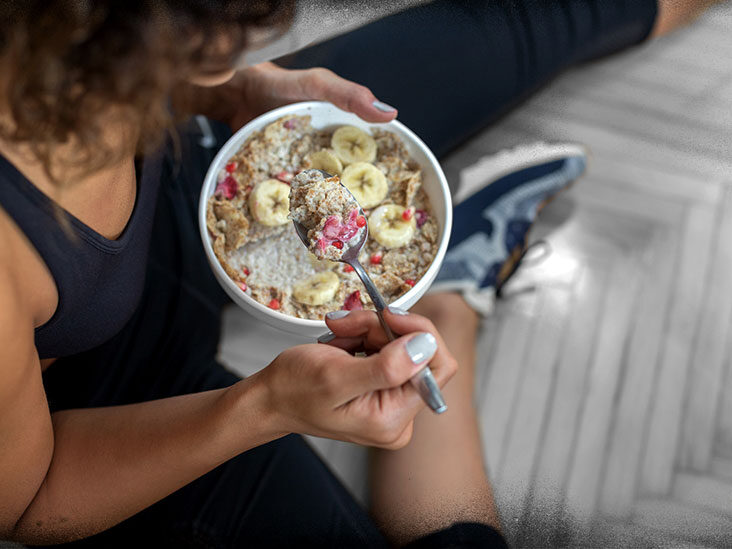
For example, preparing overnight oats or batch cooking sweet potatoes and chicken breast on Sunday night means you’ll have easily accessible, healthy options throughout the week. When it’s time to exercise, you can simply grab a portion of pre-prepped food, heat it up if necessary, and enjoy a balanced meal in no time.
Even if you only prep a few days ahead, you’ll save yourself the mental energy and time spent making decisions about your pre-workout meals. The more efficient your meal prep, the more likely you’ll stick to your fitness routine.
7. Avoid Heavy, Hard-to-Digest Meals
It’s tempting to eat a large meal in an attempt to “fuel up” for a workout, but heavy foods—like rich pasta dishes, large steaks, or fast food—can slow digestion, leaving you feeling sluggish and uncomfortable during your workout. They often take longer to break down, meaning your body won’t have immediate access to the nutrients it needs for energy.
Instead, focus on meals or snacks that are easy to digest and won’t sit heavily in your stomach. Avoid spicy or greasy foods, which can lead to indigestion or discomfort during exercise. Choose lighter options that your body can process quickly and effectively, ensuring that you feel energized and ready to perform.
Conclusion: Efficient Pre-Workout Nutrition for Maximum Performance
With a little bit of planning and mindful choices, pre-workout nutrition can be both simple and effective, leaving you more time to focus on what matters most—your workout. By following these time-saving strategies, you can streamline your nutrition, boost your performance, and ensure that you’re making the most out of every workout session.
Ultimately, pre-workout nutrition doesn’t have to be complicated to be effective. By focusing on quick, balanced meals, staying hydrated, and avoiding foods that slow you down, you can save time and still fuel your body for maximum results. Whether you’re preparing a smoothie in minutes or grabbing a quick snack, the key is consistency and simplicity. By integrating these habits into your routine, you’ll feel energized, perform better, and save time—making it easier to stick to your fitness goals long term.