


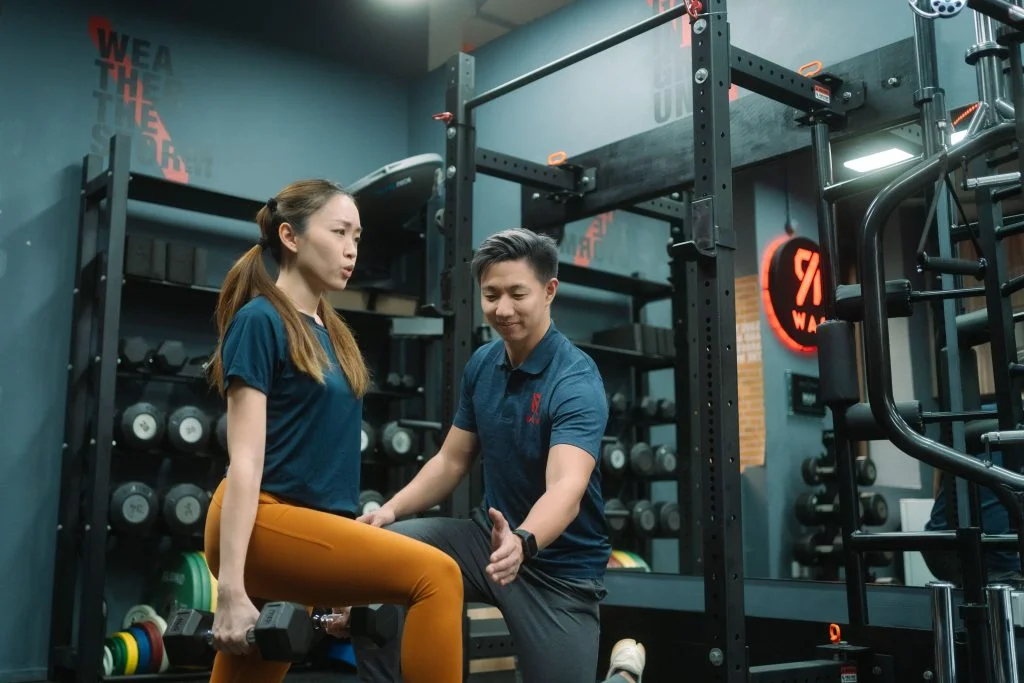
Many people go to the gym with good intentions but do not always train with the right structure. They may use machines randomly, repeat the same exercises, copy workouts online, or push hard without knowing whether the session is actually helping them progress. Working with a personal trainer singapore can improve training quality by giving each workout a clear purpose, better technique, and a plan that matches the person’s real goals.
Training quality matters because effort alone is not enough. A person can spend hours in the gym and still make limited progress if the exercises, form, intensity, and recovery are not well planned. Personal training helps turn gym time into focused, productive work.
Training Quality Is More Than Sweating
Many people judge a workout by how tired they feel afterward. Sweat, soreness, and exhaustion may make a session feel successful, but they do not always mean the workout was effective.
A high-quality workout should support a specific goal. It should include the right exercises, proper technique, suitable intensity, and enough progression over time. It should challenge the body without creating unnecessary strain.
A trainer helps make sure the workout is not just difficult, but useful.
A Trainer Brings Structure to the Session
One of the biggest benefits of working with a trainer is structure. Instead of walking into the gym and deciding exercises randomly, the client follows a planned session.
The trainer understands what the workout is meant to achieve. One session may focus on strength. Another may focus on movement quality. Another may include conditioning or mobility. Each part of the session has a reason.
This structure saves time and makes the workout more effective.
Proper Form Improves Results
Technique is one of the most important parts of training quality. If form is poor, the exercise may not target the right muscles. It may also create unnecessary stress on joints or surrounding areas.
A trainer can observe movement and correct mistakes in real time. They can adjust posture, range of motion, tempo, breathing, and alignment.
These corrections can make a major difference. A squat, row, press, lunge, or hinge becomes more effective when performed well.
Exercise Selection Should Match the Goal
Not every exercise is right for every person. A workout that suits an advanced athlete may not suit someone returning after a long break. A movement that looks impressive online may not match the client’s current strength, mobility, or goal.
A trainer selects exercises based on the individual. If the goal is fat loss, the plan may include strength training, conditioning, and consistency. If the goal is strength, the exercises may focus on progressive resistance. If the goal is better posture, the plan may include back, core, and mobility work.
Good exercise selection is one of the keys to training quality.
Progression Keeps the Body Improving
The body adapts when it is challenged gradually. If the workout never changes, progress may slow. If the workout becomes too hard too quickly, the person may feel overwhelmed.
A trainer manages progression. They may add weight, increase repetitions, adjust tempo, reduce rest time, or introduce more advanced variations when appropriate.
This helps the body continue improving without unnecessary guesswork.
Training Quality Includes Recovery
A good trainer does not only push clients harder. They also understand when recovery is needed. Training quality includes knowing when to increase intensity and when to reduce it.
Recovery allows the body to repair and adapt. Without recovery, people may feel constantly tired, sore, or unmotivated.
A trainer can help balance challenging sessions with lighter work, mobility, rest, and realistic weekly planning.
Accountability Improves Effort
Many people train harder and more consistently when someone is guiding them. A trainer provides accountability. The client has a scheduled session, a plan, and someone tracking their progress.
This does not mean the trainer simply forces intensity. Good accountability means helping the client show up, stay focused, and complete the work properly.
Accountability can be especially helpful for people who struggle to stay consistent on their own.
Confidence Grows With Guidance
Some gym-goers feel unsure about equipment, exercise form, or workout planning. This uncertainty can reduce confidence and limit effort.
A trainer helps clients learn. Over time, they understand how movements should feel, how to use equipment, and how to progress. This knowledge builds confidence.
A confident person trains better because they are less distracted by doubt.
Training Becomes More Efficient
People often waste time in the gym because they do not know what to do next. They may wait for machines, repeat easy exercises, or spend too much time moving between unrelated activities.
A trainer keeps the session focused. Exercises are chosen in the right order. Rest times are managed. The session flows logically.
For busy people, this efficiency matters. A focused session can be more valuable than a long but disorganized workout.
A Trainer Can Spot Small Problems Early
Small movement issues can become bigger problems if ignored. A trainer may notice uneven movement, poor posture, weak control, limited mobility, or compensation patterns.
These observations help adjust the plan before problems become frustrating.
This is one of the advantages of coaching. The trainer sees things the client may not notice.
Better Training Quality Supports Motivation
When workouts feel random, people often lose motivation because they cannot see progress. A high-quality training plan makes improvement easier to notice.
The client may lift more weight, move with better control, complete more reps, recover faster, or feel more confident.
Progress creates motivation. When people see that their work is producing results, they are more likely to continue.
Nutrition Awareness Can Support Training
Training quality is affected by food and hydration. A person who arrives under-fueled may struggle with energy. A person who does not recover properly may feel tired in later sessions.
A trainer can help with basic nutrition awareness, such as protein intake, hydration, meal timing, and recovery meals.
The goal is not to create complicated food rules. It is to support better performance and recovery.
Personal Training Teaches Long-Term Skills
A strong personal training experience should not make the client dependent forever. It should teach skills. Clients learn form, planning, progression, warm-ups, recovery, and body awareness.
These skills make future workouts better, even outside trainer-led sessions.
That long-term education is one of the biggest values of personal training.
Better Quality, Better Progress
Working with a trainer can improve training quality by creating structure, improving form, matching exercises to goals, managing progression, and supporting accountability. The result is not just harder workouts, but smarter workouts.
People looking for personal coaching, gym facilities, and varied training options can explore TFX Singapore as part of a more focused and effective fitness routine.